
Category: Advance Care Planning

  • Dying at Home

    Dying at Home

    What to Consider and How an End-of-Life Doula Can Help

    More and more people today are choosing to die at home—a place filled with memories, comfort, and connection. While hospitals and care facilities can provide critical support, many individuals facing a terminal illness are opting to spend their final days in the familiarity of their own surroundings. Dying at home offers the potential for a more personal, peaceful, and meaningful experience—but it requires thoughtful planning and the right kind of support. One of the most valuable resources in this process is the presence of an end-of-life doula, also known as a death doula.

    End-of-life doulas are trained professionals who provide non-medical support to people who are dying and their loved ones. They walk alongside individuals during the final chapter of life, offering emotional, spiritual, and practical guidance. Their presence can make all the difference when someone chooses to die at home.


    Why Choose to Die at Home?

    There are many reasons people choose to remain at home in their final days:

    • Comfort and familiarity: Surrounded by cherished objects, pets, and loved ones, home can offer a deep sense of ease.
    • Control and autonomy: At home, people often feel more empowered to make decisions about how they spend their time and who is present.
    • Emotional and spiritual peace: Being in a sacred, personal space allows for rituals, reflection, and connection in ways that institutional settings may not.

    An end-of-life doula helps bring intention and calm to this setting, often acting as a steady presence amidst the uncertainty of the dying process.


    Medical and Practical Considerations at Home

    Dying at home involves managing complex physical needs alongside emotional care. Some key elements to plan for include:

    1. Palliative or Hospice Care Support

    Working with a local palliative care or hospice team is essential for managing pain and symptoms. These professionals can also provide access to medication and essential medical equipment. A doula works alongside these teams, filling the gap in emotional support and coordination, helping ensure the person’s comfort and dignity.

    2. 24-Hour Care Plan

    As the person nears death, round-the-clock care may become necessary. Family members, home care aides, or nurses may need to rotate shifts. An end-of-life doula can help create this plan, orient family caregivers, and provide respite when needed.

    3. Advance Care Planning

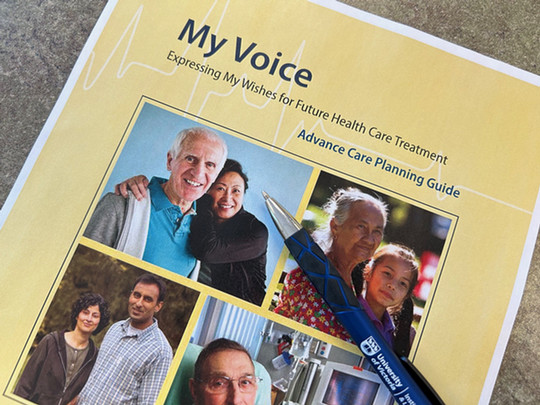
    Doulas often guide individuals through advance care planning, helping them articulate wishes regarding CPR, medical interventions, and comfort care. They assist with documentation like Representation Agreements, DNRs, and Advance Directives—making sure everyone involved understands the plan and respects the person’s choices.

    4. Creating a Peaceful Environment

    Doulas help shape the dying space into one of peace and meaning. This might involve lighting, music, photos, sacred objects, or favorite scents—whatever brings comfort. They can also help the dying person design a “vigil plan” outlining how they want their final hours to unfold.


    Emotional and Relational Support

    Dying at home can be incredibly intimate, but it also comes with emotional intensity:

    1. For the Person Dying

    A doula offers compassionate listening, helping people face fears, reflect on their life, mend relationships, and create legacy projects such as memory books or letters to loved ones. They help shift the focus from fear to meaning, from dying to living until the very end.

    2. For Family and Caregivers

    Watching someone die can be emotionally exhausting. Doulas support families by explaining what to expect, guiding them through moments of uncertainty, and helping them stay grounded. They may lead rituals, facilitate conversations, or simply offer a calm, steady presence.


    After-Death Care at Home

    What happens after someone dies at home depends on where you live and how you plan. Doulas often help guide this process:

    • Notifying the hospice or palliative team for an official pronouncement
    • Creating time and space for family to sit with the body, if desired
    • Coordinating with funeral homes or death care providers
    • Assisting with spiritual or cultural rituals immediately after death

    Some doulas provide continued grief and bereavement support for family members in the days and weeks that follow, helping with emotional processing and next steps.


    Is Dying at Home Right for You or Your Loved One?

    While dying at home can be profoundly meaningful, it’s not the right choice for everyone. It requires emotional readiness, adequate caregiving support, and clear communication.

    An end-of-life doula can help you assess the situation and make thoughtful, informed choices. They advocate for your values and help coordinate a plan that honors your wishes while easing the burden on loved ones.

    Questions to consider:

    • Is there a strong support system willing to participate in caregiving?
    • Are the medical and emotional needs manageable at home?
    • Has the individual clearly expressed a wish to die at home?
    • Is the home environment suitable and safe for end-of-life care?

    Conclusion: Coming Home to Die, With Support

    Dying at home is not simply about avoiding the hospital—it’s about choosing to end life in a space filled with meaning, surrounded by those we love. With proper support from medical teams and the compassionate guidance of an end-of-life doula, dying at home becomes not just a possibility, but a powerful and intentional act of living fully to the very end.

    Doulas help make this sacred passage less frightening, less isolating, and more human. They bring warmth, wisdom, and peace into the home—so that death, like birth, can unfold with grace, dignity, and love.

  • Navigating Advance Care Planning

    Navigating Advance Care Planning

    How an End-of-Life Doula Can Help You Make Difficult Decisions

    Advance care planning can feel like stepping into unfamiliar and uncomfortable territory. Faced with questions about life-sustaining treatments, choosing a personal representative, or completing advance directives, many people feel overwhelmed, confused, or emotionally conflicted. For someone living with a life-limiting illness, these decisions are not just about medical paperwork—they’re about values, dignity, and how they want to live (and die) on their own terms. This is where an end-of-life doula can offer gentle, informed, and compassionate guidance.

    End-of-life doulas are trained to provide non-medical support during the final stages of life, and a core part of their work often involves assisting individuals with advance care planning. Unlike doctors who focus on clinical outcomes, or lawyers who may provide legal structure, doulas bring a human-centered approach to these conversations. They help people explore not just what decisions need to be made, but why—grounding those choices in the person’s unique values, fears, hopes, and beliefs.

    Take, for example, the decision to sign a Do Not Resuscitate (DNR) order. This isn’t just a medical form—it’s an emotionally charged statement about quality of life, autonomy, and the natural process of dying. A doula can walk someone through what CPR really means in a medical context, the likely outcomes based on their health status, and what values might guide the choice to accept or decline it. They don’t give medical advice but offer space to think, feel, and clarify what matters most.

    When it comes to choosing a health care representative or substitute decision-maker, doulas help clients reflect on who they trust, who will honor their wishes, and who has the emotional resilience to advocate on their behalf. They might facilitate honest conversations between family members to avoid conflict later on. Similarly, when completing advance directives or other end-of-life documents, doulas can help ensure the person fully understands the purpose of each section and that their voice is clearly expressed.

    The support of an end-of-life doula makes these conversations feel less clinical and more personal. With their presence, people often find the courage to face these decisions—not as burdens, but as empowering steps toward peace of mind. They walk away not only with completed forms, but with the sense that they’ve been heard, that their life and death have meaning, and that their wishes will be respected.

    In a world that often avoids talking about death, doulas are helping individuals reclaim agency over how their final chapter unfolds. Through compassion, clarity, and calm, they turn difficult planning into a deeply human, even healing, experience.

  • Five ways end of life doulas help

    Five ways end of life doulas help

    How an End-of-Life Doula Brings Comfort, Clarity, and Compassion During a Terminal Illness

    When someone receives a terminal diagnosis—whether they have months or a few years to live—it can feel like life has been turned upside down. Emotions run deep. There’s uncertainty, fear, and often a sense of being overwhelmed. In the midst of it all, many people don’t know where to turn for non-medical support that addresses the emotional, spiritual, and practical aspects of dying. This is where an end-of-life doula (also known as a death doula) can be a profound source of guidance and comfort.

    So, what exactly does an end-of-life doula do?

    An end-of-life doula is a trained companion who supports individuals and families through the dying process. They are not medical professionals, but they work alongside palliative and hospice teams to offer holistic care that honors the person’s emotional, spiritual, and practical needs. Some of the top services of an end-of-life doula include helping with life review and legacy projects, facilitating conversations about death and dying, assisting with end-of-life planning, and simply being a calming, compassionate presence.

    Here are five ways a death doula can help someone living with a terminal illness:

    1. Emotional Support: A doula listens without judgment and holds space for the full range of emotions. This can bring relief to those who don’t want to burden loved ones with their fears and anxieties.
    2. Legacy and Life Review: Many people facing a life-limiting illness want to make sense of their life, pass on stories, or leave behind something meaningful. Doulas can guide this process, helping create memory books, letters, or audio recordings.
    3. Advance Planning and Advocacy: Doulas can help individuals articulate their values and wishes, guiding them through end-of-life planning documents such as advance directives or funeral preferences.
    4. Caregiver and Family Support: Families often feel lost or exhausted. Doulas can provide reassurance, practical suggestions, and even respite for caregivers.
    5. Vigil and Final Moments: When the time comes, doulas can sit vigil, helping create a peaceful and sacred space, supporting both the dying person and their loved ones through the final transition.

    People searching for this kind of help often use terms like:

    • end-of-life doula
    • death doula services
    • what does a death doula do
    • end-of-life support
    • non-medical dying support

    These keywords reflect a growing awareness that dying isn’t just a clinical experience—it’s a deeply human one. And as more individuals begin seeking a better, more meaningful way to approach the end of life, death doulas are becoming an essential part of that transformation.

    Ultimately, a death doula offers something we all need: compassionate presence. They remind us that even in our most vulnerable moments, we can be seen, heard, and supported—not as patients, but as whole people with stories to tell and lives worth honoring.