
How an End-of-Life Doula Supports Emotional Healing for the Dying and Their Loved Ones
Grief doesn’t wait until after death. For many people facing a terminal illness, grief begins the moment they receive their diagnosis. They grieve the future they won’t have, the relationships they’re preparing to leave, and the parts of themselves that are slowly slipping away. At the same time, their loved ones often begin to grieve too—watching someone they care about decline, and anticipating the heartbreak of loss. This is what we call anticipatory grief, and it is as real and complex as the grief that comes after death.
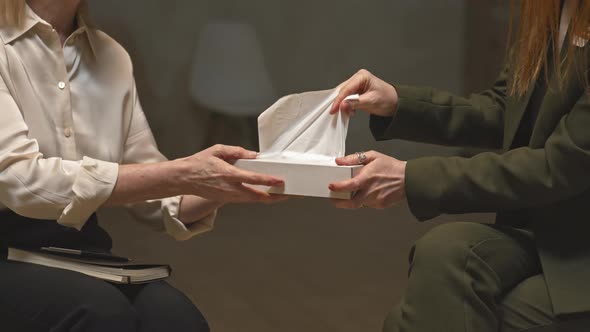
An end-of-life doula is uniquely equipped to help both the dying person and their family navigate this layered emotional terrain. While medical professionals focus on physical comfort, doulas are trained to support emotional, spiritual, and psychological well-being. They offer the gift of presence—a grounded, compassionate companion who holds space for honest conversations, unspoken fears, and deep, often difficult feelings.
For the person who is dying, a doula can help explore the emotional aspects of letting go. They may guide life review and legacy work—helping individuals reflect on their lives, make meaning of their experiences, and express love, regret, forgiveness, and gratitude. Simply having someone who will listen without judgment can ease the heavy emotional burden that many people carry at the end of life.
At the same time, doulas support grieving loved ones by helping them feel seen, heard, and supported. This might mean facilitating open conversations between family members, helping to resolve old tensions, or just being a steady presence when everyone else is struggling to stay strong. Doulas often act as emotional interpreters—offering words and rituals when feelings are too big to express.
After death, some doulas continue to provide bereavement support, checking in with family members, offering grief resources, and helping them adjust to life after loss. Even when they are not involved long-term, the emotional groundwork laid by a doula often helps survivors feel more prepared and less alone.
Grief is never easy, but it becomes more bearable when shared. An end-of-life doula doesn’t try to fix grief—they honor it, walk alongside it, and help people find their own way through it. In a time of sorrow, doulas offer compassion without condition and presence without pressure. And in doing so, they remind us all that even in grief, love remains.